
Why Cornell University Is the Ivy League’s Most Well-Rounded Institution

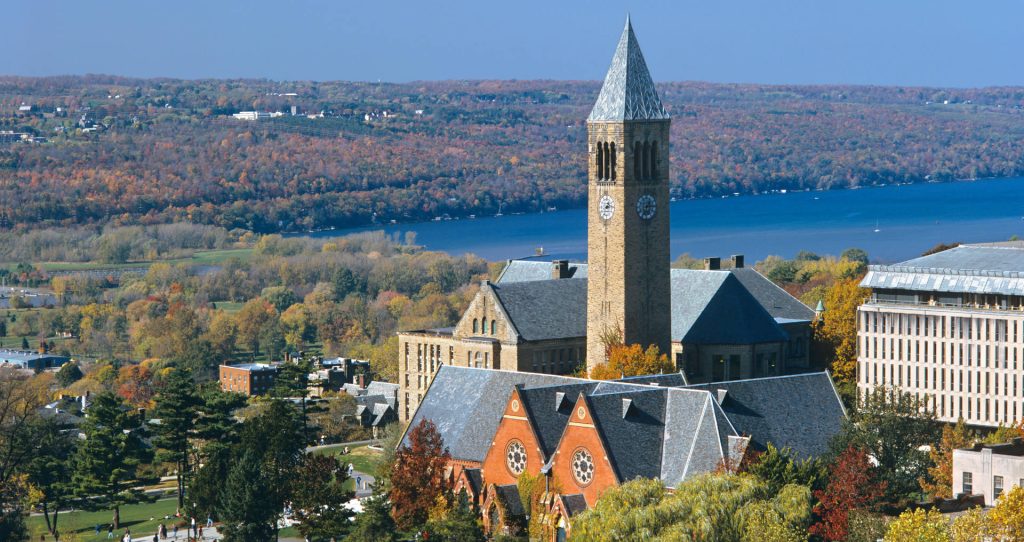
Cornell University holds a distinctive place in American higher education. As a member of the Ivy League with a mission of public engagement, Cornell blends elite academic rigor with a practical, world-facing mindset. Founded in 1865 by Ezra Cornell and Andrew Dickson White, the university was built on the radical idea of offering “any person, any study,” a philosophy that continues to define its culture today.
Located in Ithaca, New York, Cornell combines world-class scholarship, expansive academic offerings, and a collaborative campus environment. For students seeking both intellectual depth and real-world impact, Cornell University offers a powerful and transformative educational experience. This blog explores the many advantages of attending Cornell and why it is an exceptional choice for ambitious, curious students.
1. Ivy League Prestige With a Unique Mission
Cornell is an Ivy League institution, but it stands apart from its peers in important ways. While maintaining the prestige, rigor, and global reputation associated with the Ivies, Cornell also embraces a strong commitment to public service, applied research, and accessibility.
This dual identity provides students with:
- The credibility and recognition of an Ivy League degree
- A culture that values practical problem-solving alongside theory
- Opportunities to engage with real-world challenges at scale
Cornell graduates are known not only for academic excellence but also for their ability to apply knowledge in meaningful ways.
2. Unmatched Breadth of Academic Programs
One of Cornell’s greatest strengths is the breadth and diversity of its academic offerings. Unlike many elite universities that focus narrowly on liberal arts, Cornell excels across a wide range of disciplines.
Cornell’s colleges and schools include:
- College of Arts and Sciences
- College of Engineering
- Dyson School of Applied Economics and Management
- School of Hotel Administration
- College of Agriculture and Life Sciences
- College of Architecture, Art, and Planning
- College of Human Ecology
- College of Industrial and Labor Relations
This diversity allows students to pursue highly specialized interests while also benefiting from interdisciplinary collaboration.
3. A Strong Emphasis on Interdisciplinary Learning
Today’s most pressing global challenges—climate change, public health, inequality, food security, and technological ethics—require interdisciplinary solutions. Cornell excels at breaking down academic silos.
Students are encouraged to:
- Combine majors and minors across colleges
- Participate in cross-disciplinary research initiatives
- Design customized academic paths
This flexibility empowers students to explore multiple interests and develop innovative approaches to complex problems.
4. World-Class Faculty and Research Excellence
Cornell’s faculty includes Nobel Prize winners, MacArthur Fellows, and leaders across nearly every academic field. These scholars are not only advancing knowledge but are also deeply committed to teaching and mentorship.
Research at Cornell spans:
- Biotechnology and life sciences
- Engineering and materials science
- Climate and environmental research
- Artificial intelligence and data science
- Public policy, labor relations, and economics
Undergraduate students are actively encouraged to participate in research, gaining hands-on experience that strengthens both academic and career outcomes.
5. Exceptional Opportunities for Undergraduate Research
Cornell believes that research is a cornerstone of education, not a privilege reserved for graduate students. Undergraduates can begin research as early as their first year.
Opportunities include:
- Faculty-mentored research projects
- Funded summer research programs
- Independent study and honors theses
- Global research and fieldwork opportunities
This early exposure gives students a significant advantage when applying to graduate programs or competitive careers.
6. A Culture of Collaboration and Support
Despite its size and rigor, Cornell fosters a collaborative and supportive campus culture. Students are encouraged to work together, share knowledge, and help one another succeed.
Support systems include:
- Academic advising and mentorship
- Peer tutoring and study groups
- Mental health and wellness resources
- Inclusive student organizations
This culture ensures that students are challenged without being isolated.
7. Strong Career Preparation and Alumni Network
Cornell graduates benefit from outstanding career outcomes. The university’s strong reputation, combined with its practical focus, prepares students for success across industries.
Graduates commonly pursue careers in:
- Technology and engineering
- Finance, consulting, and business leadership
- Law, medicine, and public policy
- Hospitality, real estate, and entrepreneurship
- Research, academia, and nonprofit leadership
Cornell’s global alumni network provides mentorship, internships, and lifelong professional connections.
8. Unique Strengths in Applied and Professional Fields
Cornell is especially well known for programs that combine theory with practice. Its professional schools are among the best in the world.
Notable examples include:
- School of Hotel Administration: A global leader in hospitality and real estate education
- Industrial and Labor Relations School: Renowned for labor policy, economics, and workplace studies
- Dyson School: Strong focus on applied economics and management
These programs give students industry-relevant skills without sacrificing academic rigor.
9. A Campus That Inspires Learning
Cornell’s Ithaca campus is widely regarded as one of the most beautiful university settings in the world. Nestled among gorges, waterfalls, and rolling hills, the campus offers a unique environment for reflection and focus.
Students benefit from:
- A strong sense of community
- A balance between academic intensity and natural beauty
- Opportunities for outdoor recreation year-round
The setting enhances both mental well-being and academic productivity.
10. Global Opportunities and International Perspective
Cornell is deeply engaged with the world beyond campus. Students can study abroad, participate in global research, and engage with international organizations.
Global opportunities include:
- Study abroad programs on six continents
- International internships and service learning
- Research partnerships with global institutions
This global perspective prepares students for leadership in an interconnected world.
11. Commitment to Public Service and Impact
Cornell’s land-grant mission emphasizes service, outreach, and the application of knowledge for the public good. Students are encouraged to use their education to address societal challenges.
This commitment is reflected in:
- Community engagement initiatives
- Public policy research
- Sustainability and environmental leadership
Students graduate with a strong sense of responsibility and purpose.
12. Personal Growth and Lifelong Learning
Attending Cornell is both challenging and transformative. Students develop resilience, independence, and confidence in their intellectual abilities.
Graduates leave Cornell with:
- Strong analytical and problem-solving skills
- The ability to work across disciplines
- Leadership and communication skills
- A lifelong love of learning
Conclusion: Why a Student Should Attend Cornell University
Cornell University offers a rare combination of Ivy League prestige, academic breadth, research excellence, and real-world impact. It is a university that values both ideas and action, theory and practice.
For students who want an education that is intellectually rigorous, practically relevant, and globally engaged, Cornell provides extraordinary opportunities. Choosing Cornell means choosing a future defined by curiosity, innovation, and purpose.
Cornell University does not simply prepare students for a career—it prepares them for a lifetime of leadership and contribution.


Responses