Redesigning Terms of Service: A Project Proposal for Law and Design Students

Terms of Service agreements—those ubiquitous blocks of text we scroll past without reading—have long been the bane of digital user experience. They are written in legal jargon, often stretching into thousands of words, and are largely inaccessible to the average internet user. Despite their importance—they dictate user rights, privacy, data collection practices, and legal obligations—most people don’t read or fully understand them.
This situation creates a paradox: agreements that are legally critical remain effectively invisible to the very people who are bound by them. It also opens the door to confusion, disputes, and even exploitation.
For law and design students, this is an incredible opportunity for a multidisciplinary project: creating a standardized system of icons to replace or supplement the text-heavy Terms of Service agreements. Such a project could reshape how users interact with digital platforms, increase transparency, and even influence legal practice and consumer rights.
Why Terms of Service Are a Problem
1. Length and Complexity
Most Terms of Service agreements are written in dense legal language. According to a study by Legal.io, the average ToS agreement is over 2,500 words long. Users, who might want to simply sign up for a website or app, are often forced to wade through pages of clauses covering liability, dispute resolution, intellectual property, and privacy.
2. Inaccessibility
Legal jargon is difficult for the general public to understand. Even educated users struggle with phrases like “indemnification” or “governing law jurisdiction.” This creates a barrier where consent is often uninformed, undermining the very purpose of the agreement.
3. User Fatigue
Because reading ToS is tedious, users habitually skip them, clicking “Agree” without comprehension. This leaves them unaware of critical rights, such as how their data may be used or under what circumstances their account could be terminated.
4. Legal Risk
Companies benefit from this lack of comprehension because courts often uphold the agreements regardless of whether users read them. Yet, the opacity of these contracts can create public backlash, regulatory scrutiny, and a trust deficit between users and platforms.
The Case for Visual Terms of Service
Visual communication offers a compelling alternative. Humans process images far faster than text—research suggests that the brain can process visual information 60,000 times faster than text. This opens the door for an approach where legal agreements are represented through icons and short, plain-language descriptors.
Benefits include:
Improved Comprehension
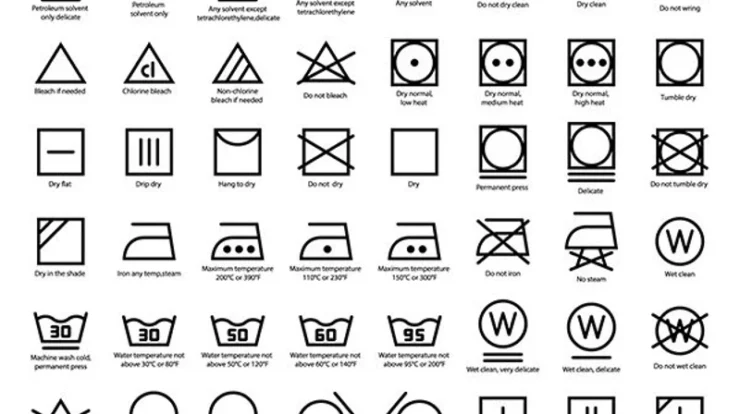
Icons can visually convey concepts like “data sharing,” “third-party access,” or “automatic renewal” at a glance. A well-designed icon system can drastically reduce the time required to understand key clauses.
Accessibility
A standardized icon system can be understood across languages and literacy levels, making legal agreements more inclusive.
Enhanced Trust
Users who understand the terms of their engagement are more likely to trust a platform. Clear visuals create transparency and accountability, fostering better user-platform relationships.
Interdisciplinary Learning
For students, the project spans law, design, UX, and communication theory. Law students learn to distill complex clauses into understandable concepts. Design students learn to visualize abstract ideas clearly and consistently. The collaboration is inherently multidisciplinary.
Project Overview: Standardizing ToS Through Icons
The goal of the project is to create a standardized library of icons representing key clauses in Terms of Service agreements. The project could be structured in several phases, integrating legal analysis, design research, and user testing.
Phase 1: Legal Analysis
Law students analyze a wide variety of Terms of Service agreements to identify recurring clauses and critical user rights. Key areas may include:
- Privacy and Data Collection
- How user data is collected, stored, and shared.
- Third-party access to personal information.
- Payment and Subscription Terms
- Automatic renewals.
- Refund policies.
- User Conduct
- Prohibited activities.
- Content ownership and usage rights.
- Dispute Resolution
- Arbitration clauses.
- Governing law.
- Liability and Indemnification
- Limitations on company responsibility.
- User responsibilities for damages.
The legal team should distill each complex clause into a plain-language summary, which will later be converted into visual form.
Phase 2: Design Exploration
Design students translate these summaries into visual icons. Key considerations include:
- Simplicity: Icons must be easily recognizable and interpretable.
- Universality: Avoid cultural biases or assumptions; icons should work globally.
- Consistency: A coherent style across all icons ensures clarity and professionalism.
- Color and Typography: Use color coding or supplementary text for added clarity when necessary.
Students can experiment with different approaches, including:
- Pictograms: Literal images (e.g., a lock for “data privacy”).
- Abstract Symbols: Conceptual representations (e.g., an arrow looping around a circle for “automatic renewal”).
- Combined Approaches: Icon plus short explanatory text.
Phase 3: Prototyping
Once the icons are designed, students create a prototype Terms of Service using their icon library. The prototype might include:
- A web page or app interface where users can hover over icons for short explanations.
- Layered design: icons at the top level, full legal text available for those who want it.
- Interactive elements: quiz-style prompts to test comprehension.
This stage allows students to explore user experience principles and assess whether icons effectively communicate legal concepts.
Phase 4: User Testing
User testing is essential. Students recruit volunteers to interact with the icon-based Terms of Service. Key metrics include:
- Comprehension: Can users understand their rights and obligations?
- Engagement: Are users more likely to read and interact with an icon-based ToS?
- Recall: Do users remember key terms better with visual cues?
Testing can reveal gaps or ambiguities in icon design, helping students iterate and refine the system.
Phase 5: Standardization and Guidelines
A critical component of the project is to create a standardized guide for icon-based ToS agreements. This includes:
- Icon Library: All icons with explanations and usage rules.
- Design Standards: Size, color, and placement guidelines.
- Legal Guidelines: How plain-language summaries correlate with the original legal clauses.
- Implementation Recommendations: Advice for platforms on integrating icons into their websites or apps.
Standardization is vital for scalability. If every platform creates its own icons, the system loses effectiveness. Consistency across platforms helps users recognize and interpret icons quickly.
Challenges and Considerations
While the project is exciting, students should consider potential challenges:
1. Legal Validity
Icons cannot replace legal text entirely—contracts must remain legally enforceable. Students need to consider how icons can supplement text without undermining legal requirements.
2. International Variations
Legal obligations differ across jurisdictions. Students must account for varying privacy laws, consumer protection regulations, and contract law frameworks.
3. Icon Ambiguity
Symbols can be misinterpreted. Careful testing and iterative refinement are necessary to ensure clarity.
4. Platform Buy-In
For widespread adoption, tech companies must see value in the system. The project should explore how standardized icons can enhance user trust and reduce legal disputes, providing incentives for adoption.
Learning Outcomes for Students
This project offers rich educational benefits:
Law Students
- Develop skills in legal analysis, plain-language drafting, and risk assessment.
- Explore how law can interface with technology and design.
- Gain experience in translating abstract legal concepts into accessible forms.
Design Students
- Practice creating clear, effective icons for complex concepts.
- Learn about information hierarchy, user experience, and accessibility.
- Understand the impact of design on comprehension and behavior.
Collaboration Skills
- Working in multidisciplinary teams mirrors real-world legal-tech collaborations.
- Students learn to communicate across disciplines, balancing legal accuracy with design clarity.
Potential Extensions
The project could expand in several directions:
Mobile Integration
Students could design app-based ToS interfaces with interactive icons, making agreements more dynamic and engaging.
Gamification
Adding quizzes or badges to encourage users to engage with icons could increase comprehension.
AI Assistance
AI could be used to analyze existing Terms of Service and automatically suggest appropriate icons, streamlining implementation for companies.
Advocacy and Policy
Students could produce research papers advocating for industry adoption of standardized icon-based ToS, bridging academic work with real-world impact.
Conclusion
Standardizing Terms of Service through icons represents a forward-thinking, interdisciplinary project perfect for law and design students. It addresses a pressing problem: the unreadability of digital agreements that govern our online lives.
By combining legal expertise with visual communication, students can create a system that enhances comprehension, increases transparency, and fosters trust between users and platforms. While challenges exist—legal validity, icon clarity, and international differences—the potential benefits are enormous: a future where users understand their rights, companies gain trust, and complex legal agreements are accessible to all.
This project is not just a class assignment—it’s a potential blueprint for how the digital world can evolve toward clarity, fairness, and user empowerment. Students who engage with it will gain valuable skills, contribute to meaningful innovation, and leave a mark on the future of digital law and design.




Responses