
The Problem with Terms and Conditions

Have you ever gone to buy something online or sign up for a new app, only to be halted by a checkbox asking you to confirm that you’ve read and agreed to the “Terms and Conditions”? Almost everyone has—and usually without a second thought. This moment has become so routine across websites, apps, and digital services that clicking “I agree” feels automatic rather than intentional.
The issue isn’t that Terms and Conditions exist; in fact, they serve an important legal purpose. The real problem lies in how they are written and presented. These agreements are often excessively long, packed with dense legal language, and difficult for the average user to understand. Reading them in full can take 20 to 30 minutes or more—time most people aren’t willing to invest when they’re simply trying to complete a purchase or access a service. As a result, the majority of users skip them entirely.
This creates a troubling dynamic. To move forward, users are required to check a box stating that they have read and understood the agreement, even though most have not. In practice, the system almost encourages dishonesty. While this behavior has become normalized across the internet, normalization doesn’t make it ethical. Users are effectively forced to choose between agreeing to something they don’t understand or walking away altogether. Consent, in this context, becomes a formality rather than a meaningful decision.
The situation becomes even more concerning when you consider what companies can include in these agreements. Terms and Conditions may outline how personal data is collected, used, or sold; limit a company’s responsibility; restrict refunds; or allow policies to change without notice. Because these details are buried in pages of legal jargon, users often don’t realize what they’ve agreed to until something goes wrong.
So how do we address a problem that has persisted for decades in the digital world? One potential solution is the introduction of standardized icons that represent common Terms of Service clauses. These icons could quickly communicate key points—such as data sharing, refund policies, subscription renewals, or user rights—at a glance.
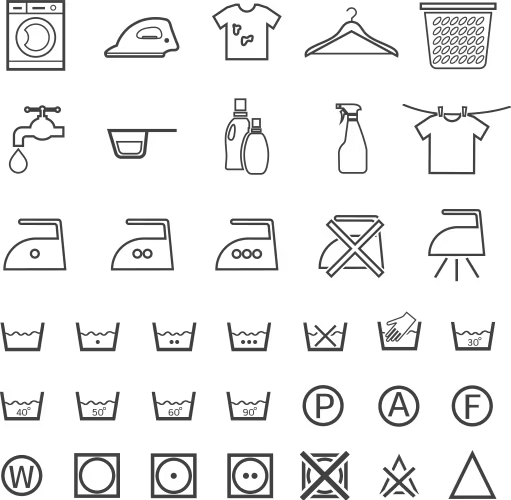
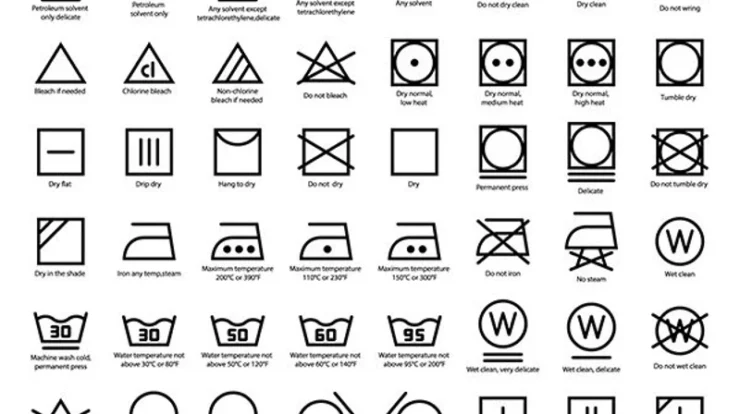
A helpful comparison can be found in clothing labels. Instead of long explanations, laundry tags use simple, universally recognized symbols to indicate how garments should be washed or dried. These visuals transcend language barriers and are easy to understand. Applying a similar system to Terms of Service could greatly improve transparency and accessibility.
By placing clear, noticeable icons at the beginning of an agreement or alongside important sections, users would instantly gain insight into what they are agreeing to. This approach wouldn’t necessarily replace full legal text, but it would make agreements feel less overwhelming and far more user-friendly. Even for those who still choose not to read every word, the most critical information would no longer be hidden.
While this solution wouldn’t completely eliminate the issue of unread Terms and Conditions, it would be a meaningful step toward informed consent. Users would be better equipped to understand the implications of their agreement, making the act of clicking “I agree to the terms and conditions” more transparent, honest, and ethical.




Responses