FREE Community College


There are several legitimate ways to attend community college completely free (or very close to free) in the United States in 2025–2026. Here’s a breakdown of the main options, ranked roughly from most common to more niche:
1. State-Specific “Free Community College” / Promise Programs (Most Common)
Many states now cover tuition + sometimes fees/books for residents. The big ones as of late 2025:
| State | Program Name | Who Qualifies (main points) | Covers |
|---|---|---|---|
| California | California College Promise Grant + local Promise programs | CA resident, FAFSA/CA Dream Act, income limits or first-time student | Tuition + fees (many campuses now cover books too) |
| Tennessee | Tennessee Promise / Reconnect | TN resident, age 24+ for Reconnect (adults), FAFSA required | Tuition + mandatory fees |
| Oregon | Oregon Promise | OR resident <2 years out of HS, 2.5+ GPA, FAFSA | Tuition (after other aid) |
| Washington | Washington College Grant + some local Promise | WA resident, family income ≤70% state median | Tuition + some fees |
| New York | Excelsior Scholarship (for SUNY/CC) + CUNY Start/ ASAP | NY resident 5+ years, household income ≤$125k (2025) | Tuition only |
| Michigan | Michigan Reconnect (adults) + Community College Guarantee | Age 21+ for Reconnect, recent HS grads for Guarantee | Tuition + some fees |
| Massachusetts | MassReconnect (25+) / MassEducate | Age 25+ and no prior degree, MA resident | Tuition + fees + allowance |
| New Mexico | NM Opportunity Scholarship | NM resident, enroll at least 6 credits | Tuition only |
| Rhode Island | RI Promise | RI resident, recent HS grad or GED | Tuition + fees |
| Delaware | SEED / Inspire | DE resident, HS grad after certain years | Tuition |
→ Check your state’s community college website or Google “[Your State] free community college 2025” – more states keep adding versions every year.
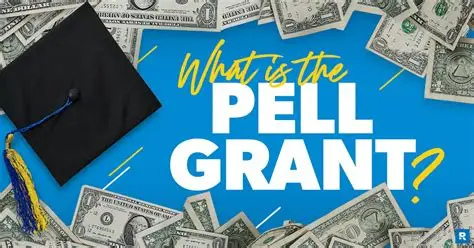
2. Federal Pell Grant (Often Makes It Free)
- Maximum Pell Grant 2025–2026: $7,395
- At most community colleges, tuition + fees are $3,500–$6,000 per year.
- If your Expected Family Contribution (EFC)/SAI is low enough (usually under ~$6,500), you get the full Pell and it covers everything.
- File the FAFSA every year — even if you think you make too much money. Many middle-class families now qualify because of 2024–2025 FAFSA changes.
3. Local / City College Promise Programs
Even if your state doesn’t have a statewide program, many individual colleges or cities do. Examples:
- Dallas College (TX) – Dallas Promise
- Los Angeles Community College District – LA College Promise
- City Colleges of Chicago – Star Scholarship
- Kalamazoo Promise (MI) – private-funded, covers any Michigan CC
- Pittsburgh Promise, El Dorado Promise (AR), etc. Google “[nearest city/community college] promise scholarship”
4. Workforce / Last-Dollar Scholarships
- Tennessee Reconnect, Michigan Reconnect, Maine Free College Scholarship, Louisiana MJ Foster Promise — specifically for adults 21–25+ with no prior degree.
- Many are “last-dollar” (they pay whatever Pell and other aid don’t cover → effectively free).
5. Trade-specific or Employer Programs
- Some unions and large employers (Amazon Career Choice, Walmart Live Better U, Starbucks, Chipotle, etc.) pay 100% of community college tuition for certain degrees while you work part-time.
- Many healthcare systems pay for nursing/medical assistant programs at community colleges.
Quick Checklist to Make It Free Right Now
- Fill out the 2025–2026 FAFSA (fafsa.gov) — this unlocks Pell and almost every state/loc program.
- Search “[your state] free community college” or “promise program.”
- Apply directly to the community college(s) you want — many have a separate 1-page Promise application.
- Ask the financial aid office: “What do I need to do to attend tuition-free?”
In 2025 roughly 35+ states have some form of free community college for at least certain groups, and Pell covers the rest for low-income students. Between those two, the majority of new community college students pay $0 in tuition.



Responses