
How Technology Is Changing the Way We Learn

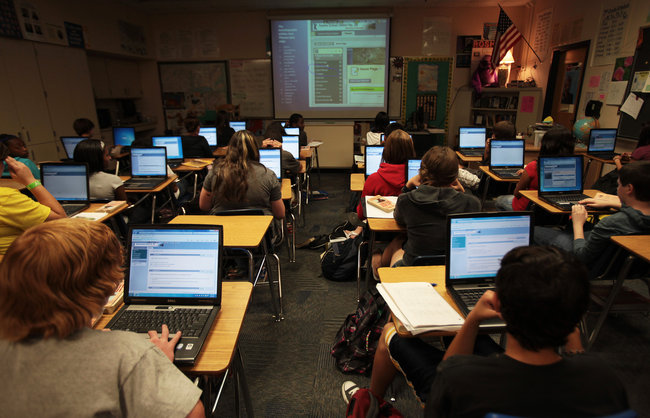
Education is undergoing one of the most significant transformations in human history. For centuries, learning followed a relatively fixed model: students gathered in physical classrooms, listened to lectures, read textbooks, and completed exams. While this model still exists today, advances in technology are rapidly reshaping how knowledge is delivered, accessed, and experienced. From online platforms and artificial intelligence to immersive virtual environments, technology is changing not just what we learn, but how we learn, when we learn, and who has access to education.
As digital tools become more integrated into everyday life, learning is evolving into a more flexible, personalized, and continuous process—one that extends far beyond traditional classrooms.
Learning Anytime, Anywhere
One of the most profound ways technology has changed education is by removing physical and geographical barriers. Online learning platforms, video conferencing tools, and mobile apps allow students to access education from virtually anywhere in the world. A learner no longer needs to be on a campus or in a classroom to gain high-quality instruction. With an internet connection, students can attend lectures, complete assignments, and collaborate with peers across continents.
This shift has been especially impactful for nontraditional learners, such as working professionals, parents, and adult students returning to school. Flexible schedules allow learners to balance education with jobs, family responsibilities, and personal commitments. Recorded lectures, self-paced modules, and asynchronous discussions mean students can learn at times that work best for them.
Technology has also played a critical role in expanding access to education in underserved and rural communities. Online programs and digital resources help bridge gaps where schools, instructors, or specialized courses may be limited or unavailable.
Personalized Learning Experiences
Traditional education often treats all students the same, even though learners have different strengths, challenges, and learning styles. Technology is changing this by enabling personalized learning experiences tailored to individual needs.
Adaptive learning platforms use data, analytics, and artificial intelligence to monitor student progress and adjust lessons accordingly. If a student struggles with a concept, the system can provide additional practice, alternative explanations, or supplementary materials. If a student excels, they can move ahead without waiting for the rest of the class.
This personalization helps learners stay engaged and reduces frustration. Instead of falling behind or becoming bored, students receive instruction that matches their pace and ability level. Over time, personalized learning can improve comprehension, retention, and overall academic outcomes.
Interactive and Engaging Content
Technology has also transformed the way educational content is presented. Rather than relying solely on textbooks and lectures, modern learning environments incorporate multimedia elements such as videos, animations, simulations, podcasts, and interactive quizzes.
These tools appeal to different learning styles and make complex topics easier to understand. For example, students studying biology can explore interactive 3D models of the human body, while engineering students can experiment with virtual labs that simulate real-world scenarios. Gamification—using game-like elements such as points, badges, and challenges—adds motivation and encourages active participation.
Emerging technologies like virtual reality (VR) and augmented reality (AR) are taking engagement even further. Students can take virtual field trips, explore historical events firsthand, or practice skills in immersive environments without physical risk or high costs. These experiences make learning more memorable and experiential.
Collaboration Beyond the Classroom
Technology has expanded collaboration beyond the walls of a single classroom. Online discussion forums, shared documents, project management tools, and video conferencing platforms allow students to work together regardless of location. Group projects can include participants from different cities, countries, or even continents.
This global collaboration exposes learners to diverse perspectives and cultures while building essential skills such as communication, teamwork, and problem-solving. Students learn how to collaborate digitally—an increasingly important skill in modern workplaces where remote and hybrid work are common.
Instructors also benefit from collaborative technologies, using shared platforms to exchange teaching resources, best practices, and innovative ideas with colleagues worldwide.
Artificial Intelligence and Intelligent Learning Tools
Artificial intelligence is playing a growing role in education. AI-powered tools can analyze student behavior, predict learning outcomes, and provide real-time feedback. Intelligent tutoring systems can guide learners step-by-step through problems, offering hints and explanations tailored to their specific needs.
AI can also assist educators by automating administrative tasks such as grading, tracking attendance, and analyzing performance data. This allows teachers to spend more time on meaningful interactions with students, such as mentoring, discussion, and individualized support.
As AI continues to advance, it has the potential to further enhance personalization, accessibility, and efficiency in learning environments.
New Roles for Educators
As technology becomes more integrated into education, the role of educators is evolving. Teachers are no longer just sources of information; they are facilitators, mentors, and guides. With content readily available online, educators focus more on helping students develop critical thinking, creativity, and problem-solving skills.
Technology enables instructors to track student progress more effectively and intervene when learners need support. It also allows educators to experiment with innovative teaching methods, such as flipped classrooms, where students review materials at home and use class time for discussion and hands-on activities.
Professional development has also been transformed by technology. Teachers can access online training, webinars, and global learning communities to continuously improve their skills and stay current with emerging tools and pedagogies.
Assessment and Feedback in the Digital Age
Technology has changed how learning is assessed. Digital quizzes, online exams, and automated grading systems provide immediate feedback, helping students understand mistakes and correct them quickly. Data-driven assessments offer insights into learning patterns, strengths, and areas for improvement.
Beyond traditional tests, technology supports alternative assessments such as portfolios, project-based learning, and peer evaluations. These methods better reflect real-world skills and encourage deeper learning rather than memorization.
Continuous feedback loops help learners stay motivated and aware of their progress, making learning more transparent and goal-oriented.
Lifetime Learning and Skill-Based Education
In a rapidly changing world, learning no longer ends with a diploma. Technology supports lifelong learning by making education more accessible throughout a person’s life. Online courses, micro-credentials, certifications, and short-term programs allow individuals to update skills, change careers, or explore new interests at any stage.
This shift toward skill-based education aligns learning more closely with workforce needs. Learners can acquire practical, job-relevant skills quickly and efficiently, often at a lower cost than traditional degree programs.
Technology-driven learning empowers individuals to take control of their education and continuously adapt to new opportunities.
Challenges and Considerations
While technology offers many benefits, it also presents challenges. Digital divides still exist, and not all learners have equal access to devices, high-speed internet, or digital literacy training. Ensuring equitable access remains a critical issue for educators and policymakers.
There are also concerns about screen time, data privacy, and maintaining meaningful human connections in digital learning environments. Technology should enhance education, not replace the human elements that make learning impactful.
Addressing these challenges requires thoughtful implementation, strong policies, and a commitment to inclusive and ethical use of technology.
Conclusion
Technology is redefining education by making learning more accessible, personalized, interactive, and continuous. It is breaking down barriers, empowering learners, and reshaping the roles of students and educators alike. While traditional classrooms still play an important role, digital tools are expanding what education can be and who it can reach.
As technology continues to evolve, so too will the ways we learn—creating new opportunities for lifelong learning in an increasingly connected and rapidly changing world.





Responses